Need furnace repair help in New York?
Describe your heating or cooling problem and request an estimate. A local provider in our network can follow up. Call hours vary by provider.
No obligationRequest an estimate today
A furnace problem in a cold home needs a short, clear plan. First, make sure the house is safe. Next, run a few quick checks. Then request an estimate and let Closeddefense Heating & Air match you with an independent provider in our network who handles heating and cooling work.
Closeddefense Heating & Air is a referral service. We do not repair furnaces. The provider you are matched with inspects the system, explains the problem, and gives you a written quote. This page walks you through the safety steps, common repairs, and the upkeep that helps keep the same breakdown from coming back. Fix it, then protect it.
If you smell gas, stop reading and do these steps in order:
1. Do not touch light switches, plugs, or the thermostat. 2. Do not light matches or use a phone inside the house. 3. Walk everyone out, pets included. 4. From outside, contact your gas utility or emergency services. 5. Stay out until a professional says the home is safe.
Only after that should you look for a repair provider.
Headaches, dizziness, or a CO alarm going off mean you should get fresh air and contact emergency services. Do not wait to see if it passes. A cracked heat exchanger or a blocked flue can be the cause, so the furnace should stay off until it is checked.
These take about ten minutes. Work through them in order.
Set it to heat and raise the target a few degrees above room temperature. Replace weak batteries if it has them.
Check the breaker and the furnace switch, which often looks like a light switch near the unit. In many older basements, someone may have flipped it by mistake.
A clogged filter can make a furnace overheat and shut down. Swap in a clean one if yours looks gray and packed.
Make sure rugs, boxes, and furniture are not blocking them. Snow or ice can also block outdoor intake and exhaust pipes, so look at those too.
Note any error code light, odd sound, or smell. This helps the provider arrive better prepared.
If the checks do not fix it, move to the next step.
Urgent signs deserve a quick request. Slower signs can wait a bit, but they rarely fix themselves.
Here is the usual order:
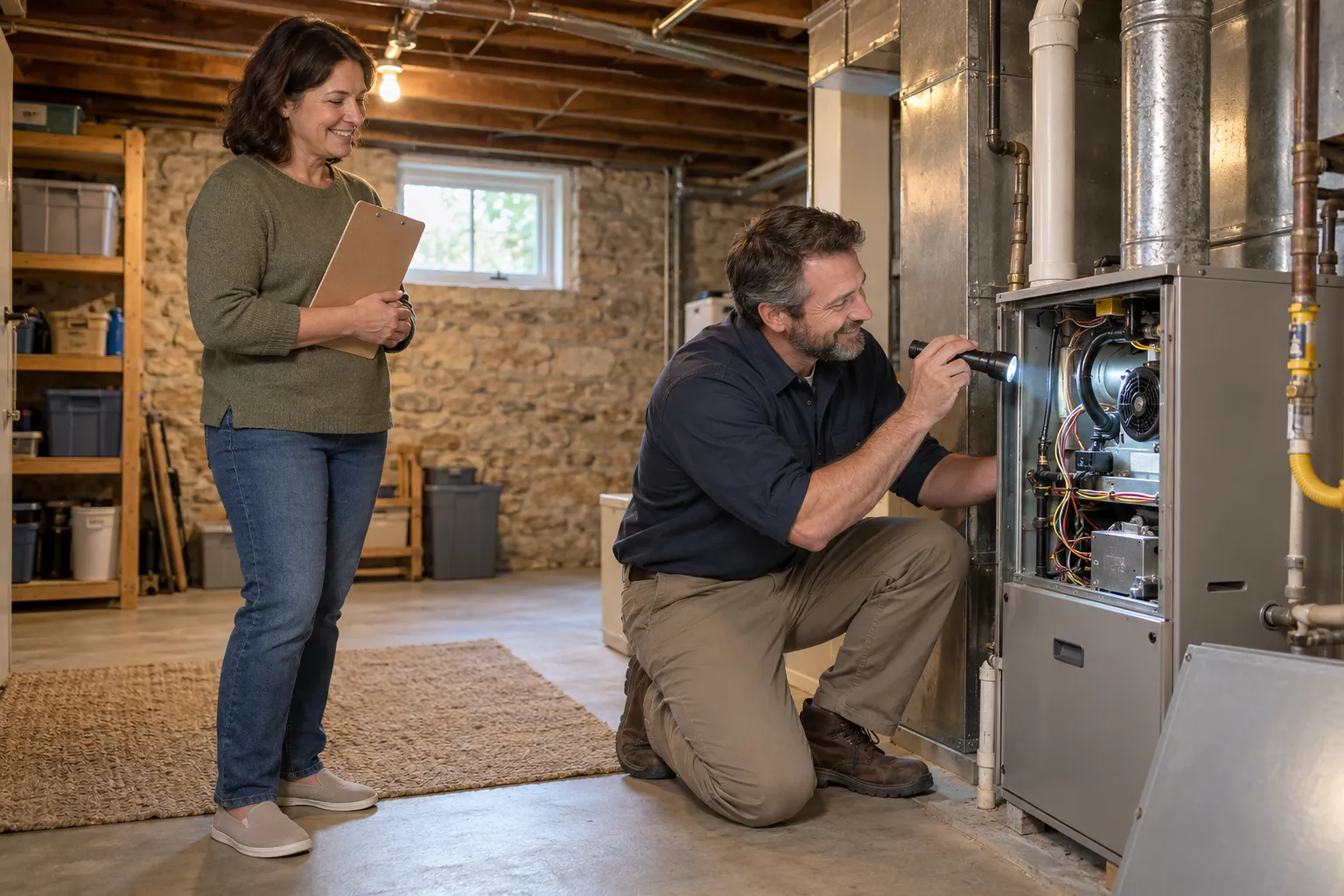
1. First, the provider asks about symptoms and checks the thermostat and power. 2. Next, they inspect the ignition, burners, flame sensor, blower, and venting. 3. Then, they explain the cause and give a written quote. 4. After approval, they make the repair and test the system.
You decide whether to go ahead. Asking for the quote in writing is a normal request.
A repair makes sense when the unit is fairly young and the fix is small. Replacement deserves a look when:
If you search for furnace replacement near me, remember that a provider should compare both paths in writing. Ask for the repair price and the replacement price side by side. Summer cooling work, including emergency AC repair, is covered on other pages.
Keep this list handy:
Request a callback to check provider availability in your area.
This is the step most people skip. Use this short routine.
Check the filter monthly during heating season. Replace it every one to three months, depending on the type and your household.
Book an HVAC service visit each fall, before the first hard freeze. A tune-up can catch worn parts early.
Keep boxes, paint cans, and laundry away from the furnace. Keep the exhaust and intake pipes clear of snow and ice.
If your system has them, ask the provider how to check the drain and clean the humidifier pad.
Save the quote, the invoice, and the date of each visit in one folder. Records make future repairs faster and clearer.
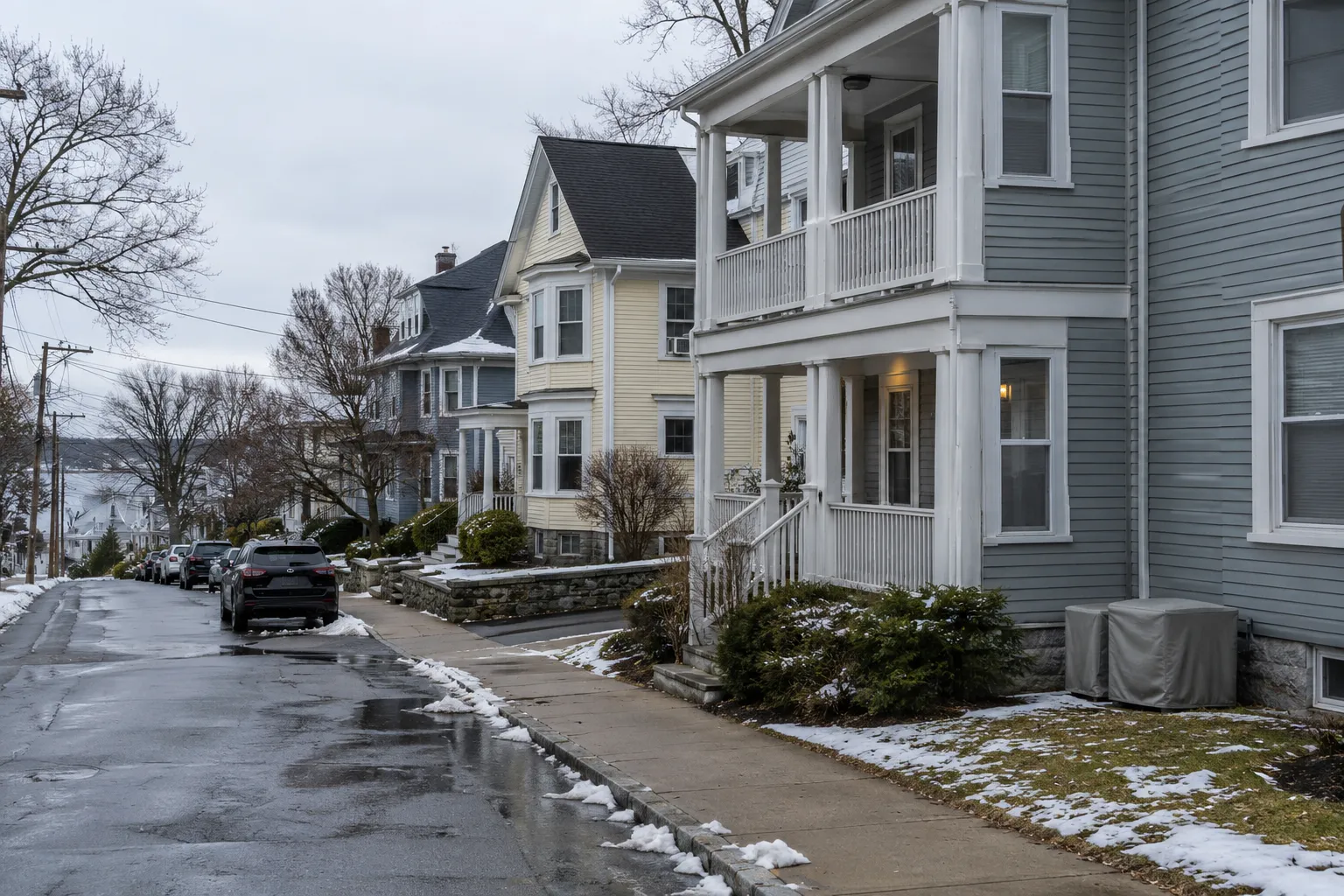
Older houses with full basements, stone or block foundations, and Cape Cod layouts can have long duct runs and drafty corners. Freeze-thaw cycles and spring snowmelt may bring dampness near the furnace, which can wear parts over time. Ask the provider to check around the unit for moisture and rust.
First, stay safe. Next, run the quick checks. Then request an estimate and get matched with a provider in our network. Less searching, more heating and cooling comfort.
Clear steps for gas smells and carbon monoxide alarms, so you know what to do before you request help.
A short list of thermostat, power, and filter checks you can do yourself.
Describe the issue and get matched with an independent local HVAC provider.
Simple after-repair habits, like filters, tune-ups, and records, that help the same breakdown stay away.
These are typical U.S. ranges only. Real prices vary by furnace type, age, parts, and the home itself, so always ask the provider for a written quote before work begins.
| Item | Typical range | Notes |
|---|---|---|
| Diagnostic visit | $75 – $200 | Often applied toward the repair if you proceed |
| Flame sensor cleaning or swap | $100 – $300 | Common fix for short cycling |
| Ignitor replacement | $150 – $450 | Depends on the furnace model |
| Blower motor or capacitor | $200 – $1,500 | Capacitor is low end, motor is high end |
| Control board | $300 – $900 | Parts availability affects price |
| Annual tune-up | $80 – $250 | Helps catch worn parts early |
If you smell gas or hear a CO alarm, leave the house and contact emergency services.
Look at the thermostat, breaker, filter, and vents, then note anything unusual.
Describe the problem through the form and share your home details.
Approve the written quote, then follow the upkeep plan to prevent repeat breakdowns.
One request starts the process, so you spend less time comparing providers while the house gets colder.
Work is done by local providers in our network, not by Closeddefense Heating & Air.
Clear steps keep a stressful day simple and easy to follow.
Tips for after the repair help you avoid repeat problems.
Describe your heating or cooling problem and request an estimate. A local provider in our network can follow up. Call hours vary by provider.
No obligationCommon causes include a dirty filter, a failed ignitor, a dirty flame sensor, or a thermostat setting. Check the filter and thermostat first. If heat still does not come, request an estimate from a provider.
Most providers suggest a tune-up once a year, ideally in the fall before heavy use. Check the filter monthly during heating season, and keep records of each visit.
A gas smell means leave the house and contact emergency services. A faint dusty smell at first startup can be normal, but a burning or metallic smell should be checked.
Describe your heating or cooling problem and request an estimate. A local provider in our network can follow up. Call hours vary by provider.
No obligation