Need ac installation and replacement in New York?
Describe your heating or cooling problem and request an estimate. A local provider in our network can follow up. Call hours vary by provider.
No obligationRequest an estimate for a new AC
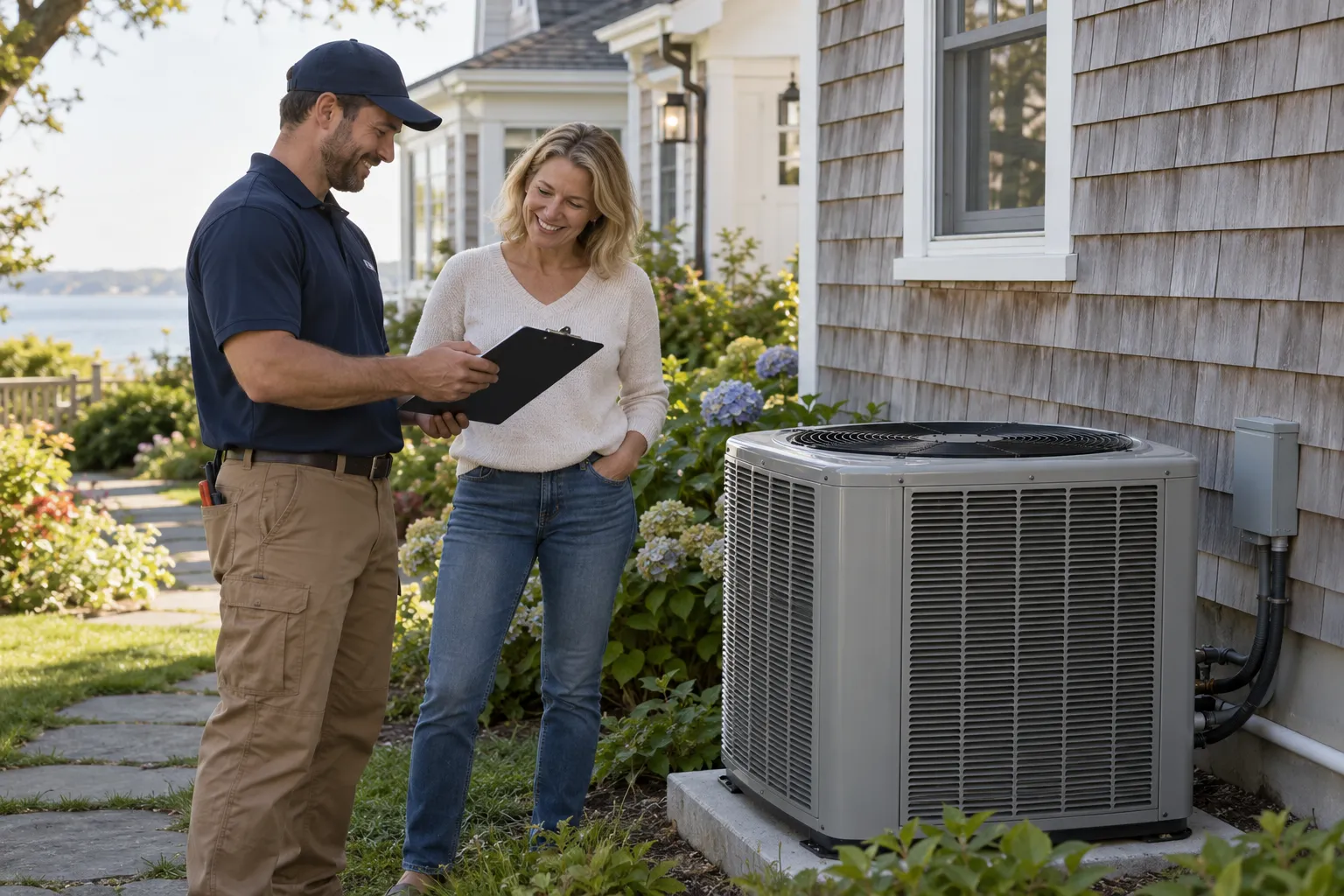
An AC that keeps breaking down is a sign to stop and plan. Closeddefense Heating & Air is a referral service. We do not install anything. We connect homeowners with independent local HVAC providers who size, install and replace central air systems in the New York area.
This page lists the signs, the steps and the questions to ask. First, check whether repair still makes sense. Next, request an estimate. Then compare written quotes from providers in our network. Once the new system is running, a simple upkeep plan helps it last. Fix it, then protect it.
Start with three facts: the age of the unit, how often it has needed repair, and what your bills are doing. If all three look bad, replacement deserves a quote.
A provider in our network can look at the system and tell you if repair still makes sense.
Check this list first:
One item alone may be a repair. Three or more points toward replacement.
First, check the thermostat, the breaker and the air filter. Next, look for ice on the pipes or water near the indoor unit. Then turn the system off if you see ice or hear grinding.
If the unit is old and the repair quote is high, ask the provider to price a replacement too. Many providers can respond quickly, but availability varies. Request a callback to check provider availability.
Homeowners usually choose from these:
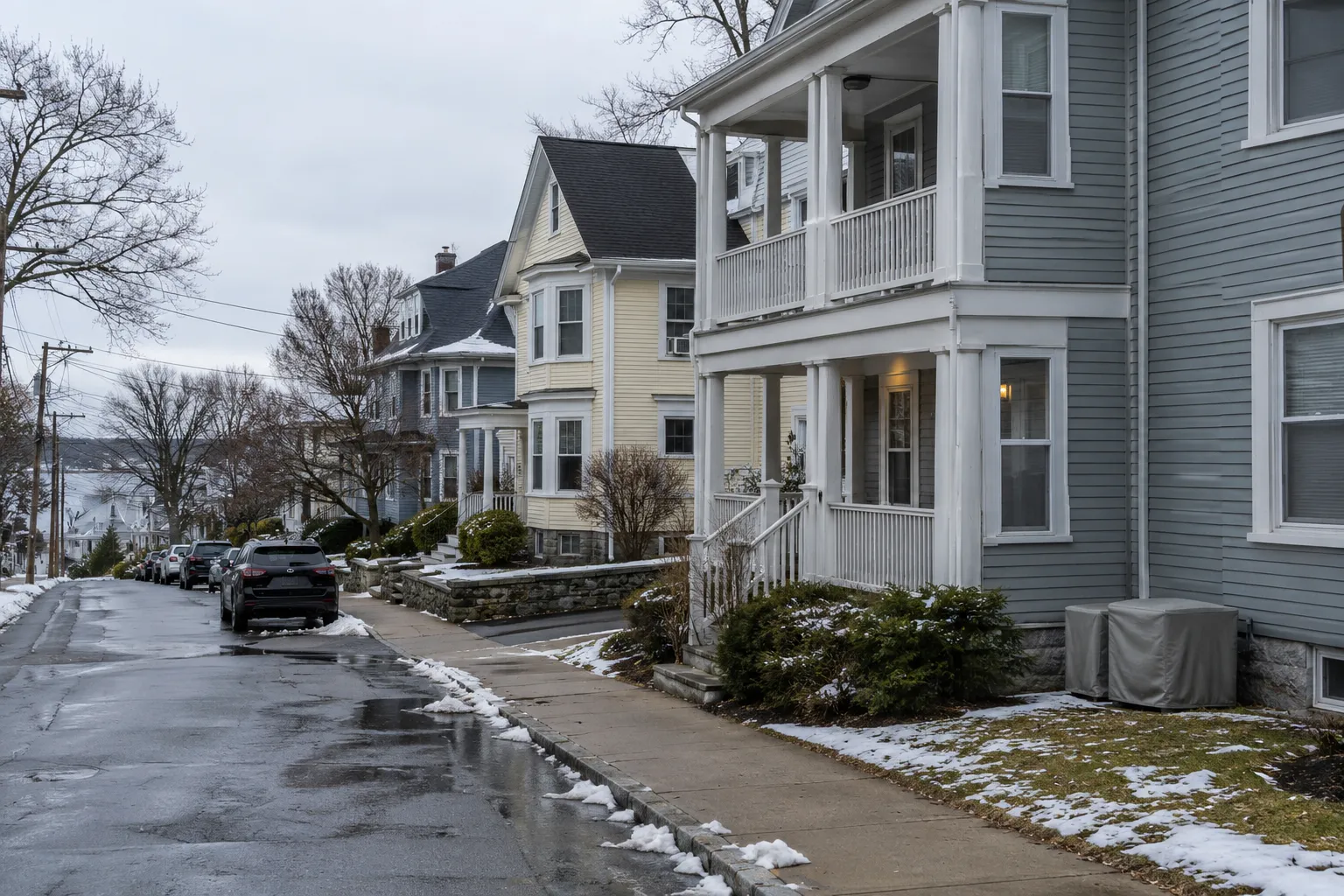
Older houses with stone or block foundations, full basements or Cape Cod layouts may have tight duct paths. Ask the provider what fits your home.
Bigger is not better. An oversized unit cools fast, shuts off, and leaves the air sticky. It also wears out sooner. An undersized unit runs nonstop and still falls short.
A careful provider checks the home's size, windows, insulation, shade and duct layout. Ask to see how the size was chosen.
Expect these steps, in order:
1. Site check and load estimate. 2. Removal of the old unit and safe handling of refrigerant. 3. Setting the new outdoor pad and unit. 4. Connecting the indoor coil, lines, drain and wiring. 5. Testing airflow, refrigerant charge and thermostat controls. 6. Walk-through of the settings.
Permits may apply in some areas. The provider should explain who handles them.
The indoor and outdoor parts should work as a pair. A mismatch can cut performance. Ask whether the old coil, ducts and thermostat are staying or being replaced.
If you also plan new heating equipment, mention it when you request an estimate.
Efficiency ratings show how much cooling you get per unit of power. Higher ratings often cost more up front and less to run. Ask the provider to compare two or three models in writing, with the rating, the price and the expected upkeep.
Some utilities and programs offer rebates. Check what is available where you live.
A new system still needs care. Use this routine:
1. Replace or wash the filter on schedule. 2. Keep the outdoor unit clear of leaves, snow and debris. 3. Flush the condensate drain each season. 4. Book a yearly tune-up. 5. Keep the invoice, model number and service notes in one folder.
Coastal storms, snowmelt and freeze-thaw swings are hard on outdoor equipment. A cover is not always advised, so ask your provider.
Request an estimate, describe your home and the problem, and compare what providers in our network send back. Less searching, more cooling.
The provider reviews your home, ducts and old unit to judge what size and type fit.
Your old system is disconnected and removed, with refrigerant handled by the provider.
Outdoor unit, indoor coil, lines and drain are installed and connected.
Airflow and controls are tested, then settings are explained.
These are typical U.S. ranges. Real prices vary by home, system type, ductwork and local rules. Always get a written quote that lists what is included before you agree to any work.
| Item | Typical range | Notes |
|---|---|---|
| Central AC replacement | $5,000 – $12,000 | Depends on size and efficiency rating |
| Heat pump system | $6,000 – $15,000 | Cools and heats; ducts may affect price |
| Ductless mini-split (single zone) | $2,500 – $6,000 | Added zones raise the total |
| Ductwork repair or changes | $500 – $5,000 | Older homes may need more work |
| Thermostat upgrade | $150 – $600 | Smart models cost more |
| Permits and disposal | $100 – $800 | Rules differ by area |
Tell us about your home, the old unit's age and what has been going wrong.
Send the form, or request a callback to check provider availability.
Review size, model, price and warranty details from providers in our network.
Pick a provider, set the install, then follow the upkeep plan.
One request can connect you with an independent provider instead of many separate searches.
Describe, request, compare. The process stays short and orderly.
Learn the filter, drain and tune-up routine that helps a new system last.
Request an estimate and decide later. You choose whether to hire anyone.
Describe your heating or cooling problem and request an estimate. A local provider in our network can follow up. Call hours vary by provider.
No obligationConsider age, repair history and bills. A unit over 10 to 15 years old with repeated repairs often points toward replacement. Ask for both quotes.
Many installs take one to two days, though ductwork changes or a new pad can add time. The provider should give a schedule in the written quote.
Usually not for age or wear. Some policies may cover sudden damage, such as storm harm. Check your policy, and ask providers to help document damage for a claim.
Describe your heating or cooling problem and request an estimate. A local provider in our network can follow up. Call hours vary by provider.
No obligation